
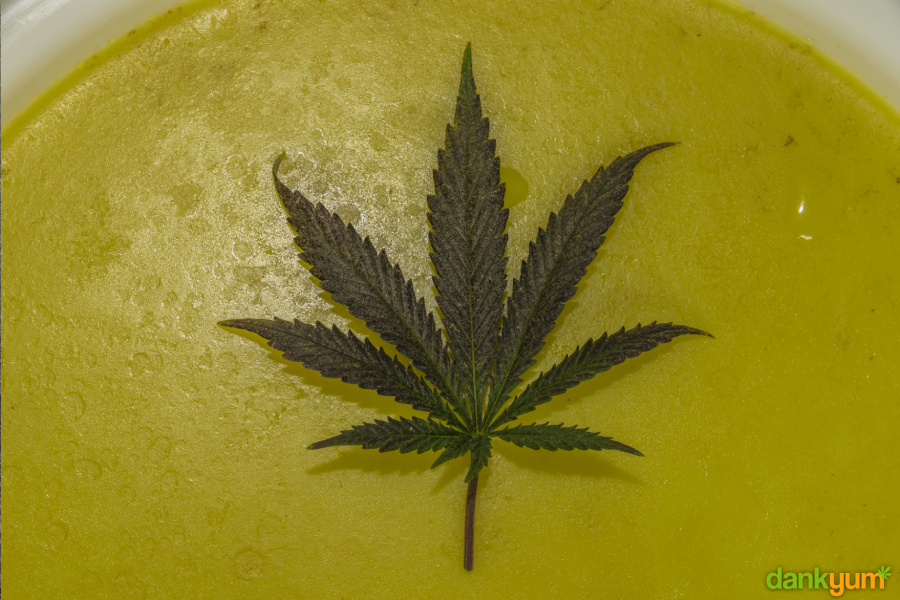
Cannabutter (cannabis infused butter) is an essential ingredient in many cannabis infused edible recipes and it’s incredibly simple to make. It can be made with cannabis buds, trimmings, shake, and even concentrates life hash and wax.
Click the “Jump to Recipe” button above to go straight to the step-by-step cannabutter guide, or use the table of contents to skip directly to any section.
This guide explains the process from start to finish at a high level, why decarboxylation matters, how to avoid common mistakes, how to store infused butter, and how to approach homemade edibles cautiously.
Before making the cannabis infused butter, you first need to decarboxylate the cannabis. Decarboxylation activates the psychoactive medicinal properties in cannabis. The decarbing process converts the THCa & CBDa in the cannabis to THC & CBD. If you need help with how to decarb weed, check out our guide. It’s very simple. Once you have decarb’d your cannabis, you are ready to get started with making the cannabutter!
What can I use cannabutter for?
You can use cannabutter in any recipe that requires butter. Simply switch out the normal butter in the recipe with cannabis infused butter. But as well as cooking, you can use it for things like making cannabis capsules. If you want to put your cannabutter into gelatine capsules, I would recommend clarifying your butter first to get rid of the additives and impurities. Clarifying your butter will prolong the shelf life of your butter.
Want some ideas for what to do with your cannabutter?
Check out these recipes:
- Chewy & Fudgy Weed Brownies
- Rich & Moist Cannabis Infused Blondies
- Cannabis Infused Vanilla Cupcakes
How much cannabis should I use for this cannabutter recipe?
There is no universal amount because cannabis potency varies substantially. Depending on how potent you want to make it, you can put as little or much as you desire. We will be using 7 grams of cannabis buds into 250g of butter which is quite strong. If you have a low tolerance I would recommend using 3.5g or less per 250g stick of butter. If you are using trim or shake, you may want to add a bit more because there will be less THC/CBD in that compared to the flower buds.
Cannabutter Potency Calculator
Want to calculate how potent your cannabutter will be?
Use the cannabutter potency calculator below. Simply enter your cannabis type, the amount of cannabis used, its THC or CBD strength, and the amount of butter you’re using. The calculator will estimate the potency of your finished cannabutter, including the approximate amount of THC or CBD it contains.
Cannabutter Potency Calculator
Find out how strong your cannabutter is. Input your cannabis type, strength, amount used, amount of butter used, then calculate the estimated potency.
Your Infusion
We pre-fill a typical potency. Adjust it to match the potency of the material you are working with.
The total amount of finished butter or oil your batch makes.
Leave at 0 if your material is THC-dominant.
Results
Strength Guide
Where one tablespoon of your butter lands on the potency scale. Always taste-test recipes low and slow.
Estimates only. Actual potency varies with technique, equipment, simmer time, and starting material. This is not medical advice — consume responsibly and follow your local laws.
How to make cannabutter stronger
The simplest way to make stronger cannabutter is to use more cannabis or cannabis with a higher THC or CBD content. However, potency isn’t just about the amount you use – your preparation and infusion method also make a difference.
Here are a few tips to help you get the most out of your cannabutter:
- Decarb your cannabis properly. Decarboxylation is an essential step that activates the cannabinoids before infusion. If you skip it or don’t do it correctly, your cannabutter won’t reach its full potential. Check out our quick guide on how to decarb cannabis.
- Use high-quality cannabis. Cannabutter made with premium flower will generally be more potent than butter made with trim, shake, or low-quality material.
- Keep the infusion temperature low. Aim to keep the butter between 160–190°F (71–88°C) throughout the infusion. Avoid letting it boil, as excessive heat can reduce the quality (and potency) of the final product.
- Use enough butter to fully cover the cannabis. This helps ensure an even infusion and allows the cannabinoids to be extracted more efficiently.
- Calculate the potency instead of guessing. Using a potency calculator gives you a much better estimate of how strong your finished cannabutter will be and helps you dose recipes more accurately.
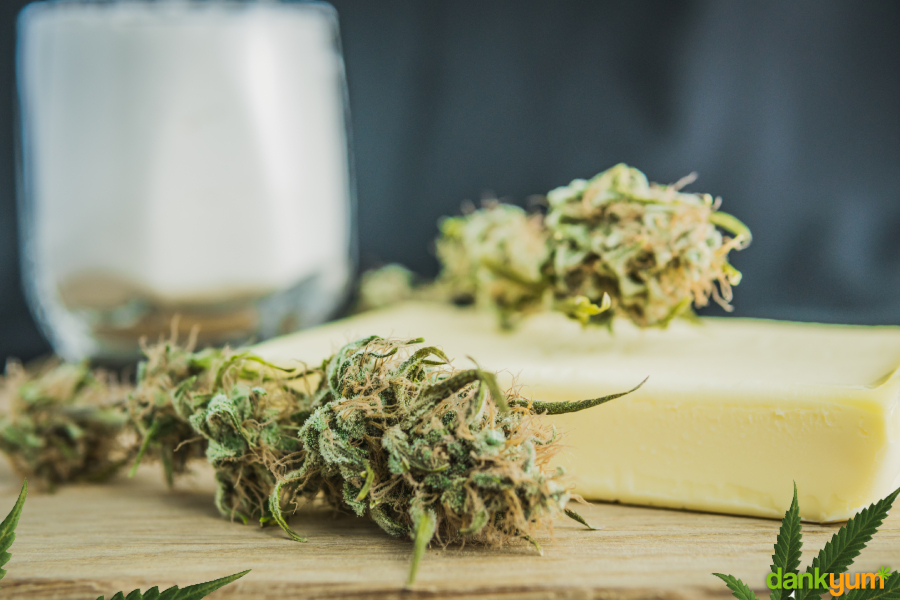
Finished Decarboxylating? Let’s Get Cooking!
Once you’ve got your cannabis decarboxylated – you can now get started with the infusion. Follow the step-by-step recipe below.
Quick & Easy Cannabutter (Potent)
Ingredients
- 7 grams cannabis (add more or less depending on desired potency)
- 250 grams unsalted butter (if adding more than 7g of cannabis, you will need more butter)
Instructions
- Decarb your cannabis to activate the THC. If you need help with decarbing, check out our guide on how to decarb cannabis. If you skip this step, your cannabutter will be weak and may contain inactive cannabinoids.
- Bring some water to a boil in a saucepan. Aim for about 2-3 inches of water from the bottom of the pan. Place your double boiler (or heatproof bowl) over the water, ensuring the base sits just above the water rather than touching it. The steam, not direct contact, is what carries the heat.
- Put the butter into the double boiler and let it melt to a liquid, stirring occasionally. Keep the water beneath at a low simmer.
- Add your decarboxylated cannabis into the melted butter. Stir until the butter covers every bit of cannabis. Let the mixture steep over the simmering water for 30-150 minutes. Top up the saucepan with hot water as it evaporates. Aim to keep the infusing butter between roughly 70-95°C (160-200°F); a gentle shimmer on the surface is right, a rolling boil is not.
- Strain the cannabutter. Set a fine-mesh sieve or cheesecloth over a clean jar or bowl. Pour the warm cannabutter through it, then let it drip on its own. Gather the cloth and give it a light squeeze; pressing too hard pushes bitter plant material into your butter.
- Let the liquid cannabutter cool down then cover and refrigerate until fully set.
- Use immediately or keep sealed in the fridge for up to two weeks, or freeze for several months.
Notes
Nutrition
Frequently Asked Questions
Can you make cannabutter without decarbing?
Yes, but it isn't recommended. Decarboxylation is the process of heating cannabis before infusion to activate the cannabinoids. If you skip this step, your cannabutter may be significantly less potent because much of the THC remains in its inactive form (THCA). Although some activation may occur during a long infusion, decarboxylating your cannabis first produces more consistent and predictable results.
What should cannabis Infused Butter look like?
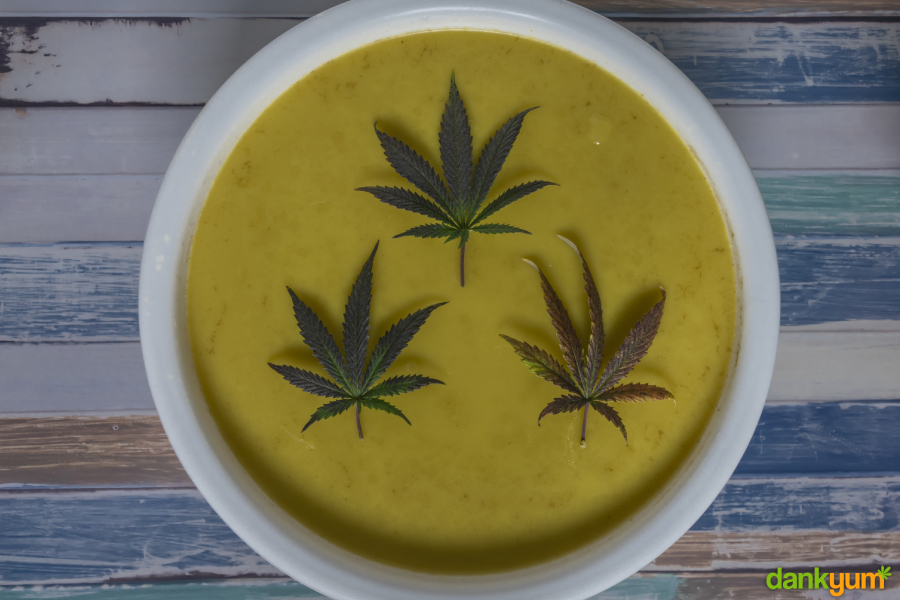
The look of your cannabutter is not a good indicator of potency or quality. Your weed butter could be very green and not very potent, or a similar colour to normal butter but be very potent. It may come out anywhere from yellow, to greenish or brownish. The colour can depend on the type and quantity of cannabis you use, how long it was cooked for, and whether or not you clarified your butter.
Can you freeze cannabutter?
Yes. Freezing is one of the best ways to extend the shelf life of homemade cannabutter. Portion it into small amounts before freezing so you only thaw what you need for a recipe. Wrap the butter well or store it in an airtight, freezer-safe container to help prevent freezer burn and preserve its flavour.
How long does cannabutter last?
Homemade cannabutter typically keeps for 2 to 3 weeks in the refrigerator when stored in an airtight container. For longer storage, freeze it for up to 6 months. Always label your cannabutter with the preparation date and store it separately from regular butter to avoid accidental consumption. If it develops mould, smells rancid, or shows other signs of spoilage, discard it immediately.
Can you eat cannabutter by itself?
Yes you can. But should you? Probably not — it would taste much better cooked into something tasty!
Can you use salted butter?
Yes, you can make cannabutter with salted butter, although unsalted butter is usually the better choice. Unsalted butter gives you more control over the flavour of your finished recipes, especially when baking. Salted butter will still work, but it may make sweet recipes taste saltier than intended and limit your flexibility when cooking. If you're following a recipe that already includes salt, using unsalted cannabutter makes it easier to season the final dish to your taste.
Does cannabutter get you high?
Yes it does (unless you made a CBD cannabutter with no THC). Eating THC-containing cannabutter by itself will produce intoxicating effects, as will using it within a recipe. If you do not want to get high from your cannabutter but still want the benefits of cannabinoids, try making CBD cannabutter instead. To make a CBD-infused butter, simply switch out the cannabis in this recipe with CBD hemp flower buds.
Tip: Always start with a low dose when testing your edibles' potency!
Why isn't my cannabutter strong?
There are several reasons why homemade cannabutter may seem weaker than expected. The most common causes are skipping the decarboxylation step, using low-potency cannabis, infusing for too short a time, using too much butter for the amount of cannabis, or inaccurate assumptions about the starting material. Potency can also vary naturally between batches, so homemade cannabutter should always be treated as an estimate rather than an exact strength.
Can you make cannabutter with hash?
Yes. Hash can be infused into butter because it contains concentrated cannabinoids. Since hash is usually much more potent than dried flower, it's easier to make butter that's stronger than intended if you're not careful. If you choose to use hash, be conservative with the amount and label the finished butter clearly so you know it's more concentrated than a typical flower infusion.
Can you use fresh cannabis to make cannabutter?
Yes, you can use fresh cannabis to make cannabutter, but it generally isn't recommended. Fresh cannabis contains a high amount of moisture, which can make the infusion less efficient and may shorten the butter's shelf life. Most recipes call for dried cannabis that has been properly decarboxylated before infusing it into butter. If you're using freshly harvested cannabis, you'll get more consistent results by drying it first and then following the normal decarboxylation process.
Can you make cannabutter in a slow cooker?
Yes. A slow cooker is a popular way to make cannabutter because it maintains a low, consistent temperature without requiring constant attention. After decarboxylating your cannabis, combine it with butter in the slow cooker and allow it to infuse on the lowest heat setting. Stir occasionally and avoid letting the butter boil vigorously. Many people prefer the slow cooker method because it's simple, hands-off, and helps reduce the risk of scorching the butter.
Does cannabutter smell while cooking?
Yes, making cannabutter usually produces a noticeable smell while it's cooking. The aroma comes from the cannabis itself as it heats and infuses into the butter, and it can be quite strong depending on the strain and method used. You can make cannabutter in a sealed glass jar sitting in a hot water bath to help contain the pungent smells.
The intensity can vary based on temperature, cooking time, and ventilation. Lower, gentler heat tends to produce less harsh smells than higher temperatures. Good airflow, a well-ventilated kitchen, or using a lid (while still monitoring carefully) can help reduce how noticeable the smell is in your home.
My first time making cannabutter and I am very pleased with the result. Had a small tablespoon of it before I put in the fridge and it’s very strong
Is it truly necessary to decarb before putting it in the butter. I remember that I had done this once before and I didn’t decarb it and it turned out decent still.
Decarbing before adding to the butter is recommended to maximise the potency of the extraction.
Not decarbing before adding to the hot butter will still work to some extent and you can even get good results out of it. But it may have been stronger if you decarbed first.
If you decide to not decarb before following the recipe i would suggest letting the cannabis sit in the butter for longer than stated to make up for not decarbing first.
does it matter if my butter is salted or unsalted?
You can use both salted and unsalted butter. I prefer to use unsalted. You can always add salt to it if needed.
I know this might sound ridiculous but I read this as put the cannabis INTO the water. Or do you mean use the water for another pot as a double boiler? Lolol
You read that correctly! 🙂 This method involves putting the cannabis and butter into the water. Once you’ve infused and cooled it down in the fridge it is very easy to separate the water from the cannabutter if you follow the steps in the guide. Doing it this way gives the cannabutter a cleaner taste rather than other methods like double boiler.
Good guide. I burned my cannabutter the first batch I made 🙁
It’s hard to tell the temperature on a hob
Try using a thick glass measuring cup and put your butter in there melt the six down then add and double boil it. Then you’ll never burn your butter but cook it on low once you get the butter all melted and you mix it. Leaving butter for 3 hours
Other instructions gave temps, got candy thermometer.
Do I need to use water when cooking the cannabutter or can I do it without?
The water is optional. You can make cannabutter without the water, just make sure your heat is very low so it does not burn the butter. I personally do not use water when I make my cannabutter.
hi, is it better to use cannabutter or canna coconut oil if i want to make canna capsules?
I would say infused coconut oil would be better for making cannacapsules over cannabutter. Cannabutter goes bad quicker than infused coconut oil due to the dairy.
Let me get this straight. I decarbed a half last night and I’m making the butter tonight so I’ll start with a pan of water and have it boiling, once boiling add the butter (is this in a glass bowl similar to melting chocolate?) once melted reduce to a simmer/ low boil and add the decarbed product to this stir regularly and cook for longer than 1 hour then strain this out using cheesecloth (would a fine sieve work? I ground my product prior to decarb so some may get through?) allow to cool then refrigerate, separate canna butter from water and pat dry, how is it best to store this? Mason jar? Regular butter tub?
I figured I’d get this asked as last night I nearly added my product to a pan of water 🤦♂️ if I use 500g butter do I add the whole lot to a cake mix I will make? Confused on the dosage really
The recipe was pretty straight forward but yielded almost no butter for me. Is this normal?? I used a whole cup(250g)! Plus the butter broke apart when I tried to take it out of the water.
That is not normal! If you used 250g of butter, it should have yielded almost the same amount of cannabutter (230g+).
How long did you put it in the fridge for before you tried separating the butter from the water? The butter should have hardened into a slab that doesn’t break apart.
What type of butter did you use? The best stuff to use is pure unsalted butter (the hard blocks). Spreadable butter and other butters designed for easy spreading are not recommended.
The butter shouldn’t have disappeared unless you drained it already so if you still have the butter/water mix, try leaving it in the fridge for longer or wack it in the freezer and check on it regularly to see if the butter has separated from the water and hardened.
Hello 🙂 what is the best thing to do with the left over weed pulps from making cannabutter?
Hi Jimbo! You can re-use the pulp in more edibles or put it straight into your food. The texture can be off-putting to some but there can still be lots of cannabinoids in there that you do not want going to waste. I threw a batch of left over pulp into some brownies and was pleasantly surprised by how strong they came out.
First time and I wanna make strong butter. Do I use bud or shake or both? And do I bake it on parchment paper? And what temp is the best
For a strong butter I would recommend using bud however you can also use both. The more cannabis you use, the more THC and other cannabinoids will be infused into the butter. You do not need to bake it on parchment paper, however some people prefer using parchment paper as it makes it easier to pick up all the bud and drop it into the butter after decarbing. If you have an old oven tray that is well used or a bit sticky/greasy then I would recommend using parchment paper.
To decarb, I go with 115C (240F) for 35-45 minutes.
Check out our guide on how to decarb cannabis for more details.
That was fun to make! (my first time cooking with marijuana) I don’t use MMJ but my daughter does and has bad chronic pains and she said the butter was good! What to try making next…?
Hi Pam, well done! You should try baking something with the cannabutter. A cookie, brownie, or cupcake is a good place to start 🙂
Gonna try this for the first time usually use a mason jar and lose a lot of butter,just wondering do I put a lid on
Magical recipe❤️
easy to follow thanks 🙂 butter turned out good
came out nice and strong after a 3 hour infusion
I got quite a high tolerance (daily smoker) and I made a small batch of cannabutter for me and the wife using this guide and it came out very strong. 2 grams of haze into 8 tablespoons of clarified butter then we had 4 tablespoons each into a coffee then just downed it. We were both absolutely slumped a couple hours later!
amazing infusion thx..
Can you make gummy bears with cannabutter or any type of gummys?
can i cut the recipe in half if i only want to make half a cup of cannabutter?
Absolutely! You could even quarter the recipe if needed.
Back when i was younger I often made small single dose batches (chunk of hashish into 2 tablespoons of butter).
Yes. Use liquid sunflower lecithin in the butter. Then 2 boxes of Knox and your favorite flavoring or add a box of jello. It will taste like jello if you use it.
Be better off using rso
Can I put 1 ounce bud into 1 stick of butter to make it super strong or is that too much? I want to put it in capsules for microdosing, thanks
Yes you can, but keep in mind it will be much stronger than using 3.5-7g of herb into a stick of butter. An ounce into a stick of butter is great for making cannacapsules but might be a bit too strong if you wanted to microdose with them. If a single capsule is too strong, try half filling or quarter filling them instead to meet your desired microdosing strength.
I use a crockpot, it’s easier to watch and I can make larger Batches of butter. I prefer using unsalted butter in mine, fat seems to bind better. I use one ounce to a pound of butter and cook for 8 hours on low. Longer IS STRONGER .results when done is a pound of butter I put in small containers. One stick of butter is 113 grams. For even potency I place hardened butter back into empty bowl and let siften,soften, whip with mixer to balance out the thc evenly. Results are amazing cookies and are all equal in strength.
Can you give directions on using the crockpot?
first time making infused butter went very well. thx for the tutorial
I want to make cannibutter only I have coconut oil ; what’s the ratio when cooking bud in coconut oil?
You can infuse your coconut oil the same way as cannabutter or check out our cannabis infused coconut oil recipe page for instructions specifically for making that.
Personally, i’d recommend 7g bud to 250ml coconut oil however this may be too strong for some. 3.5g into 250ml also works great for those with a low tolerance.
2 tablespoons on ocked my socks off😄😄 much stronger than my last batch. Thank you dank yum for the good tutorial. next I want to try is that cannasugar but i need to find some strong grain alcohol to use because they do t have ever clear here
Isapropal the alcohol off sanitiser wipes or 100 proof vodka
Very happy with the results of my cannabutter 😁 have a great evening ya’ll!
Nice and strong cheers
Have never tried this water method before but a friend of mine recommended it so I thought I’d give it a go. The butter tastes better than the lot I made in a saucepan on a low heat with no water in it. Either way is good (no noticeable differences in potency) but yeah I noticed with water it tastes “cleaner” in some way
Can i use this cannabutter to make gummy sweets or is it better to use coconut oil
I want to try this recipe. There are lots of vegan or plant based butter alternatives. I would like to know if I can use this recipe with an alternative to dairy
Absolutely! Coconut oil can be used instead of butter in this recipe. We do have a recipe specifically for infused coconut oil however you will still get good results following this recipe and just switching the butter with coconut oil.
Can I use fresh buds for making cannabutter? (Recently harvested and not properly dried/cured yet)
I have used fresh. I did everything the same.
how long will cannabutter last in the fridge? can i freeze it?
7 days refrigerated, up to 6 months frozen
how much does this stink up your house?
It depends. A small amount may not smell much but a large batch can smell a lot.
In my experience, the decarbing part is the smelliest part of the process. To minimise the smell you can decarb in a sealed mason jar. Check out our decarbing guide using a mason jar.
Don’t throw away very OLD cannabis. You can make cannabutter out of it high in CBN , which is good for pain.
And I don’t recommend using water at all in making cannabutter. It leaves too much room for contamination and mold. You don’t need water if you use a very big pan onto of a small one and keep the heat on low, make sure the water is always filled to top of bottom pan and stir and check frequently. Do it while you’re high and you won’t care if you’re standing there staring at a pot of cannabis turning into cannabutter. Weeeeeeeeeee…..
I set my oven correct but for some reason the temp raised to 325 for the first 10 minutes, is that going to mess it up?
If you used a cover on top of your cannabis it should be fine. I use a glass dish with a lid and put my thermometer inside it and i notice it takes about 10 mins for the temperature inside the dish to reach the actual temperature of the oven.
When this happens to me i tend to finish the decarb a bit earlier to make up for the extra heat at the start. It’s hard to tell without actually seeing the product. If it doesnt look black and charred i’m sure its fine! I’ve had batches that ive left in the oven for too long which came out borderline burnt and it still made some good edibles.
Getting ready to make my second batch. We made peanut butter cookies with our last batch and they were wonderful. Perfect recipe.
Thank you for the feedback! Peanut butter cookies are delicious! What’s your recipe?
can i use leaves and shake instead of buds for this cannabutter recipe? i made some last week using buds and it turned out realy good and i want to make some more and use up my shake if possible but not sure if it will give it a bad taste
strong stuff
What is a good starting dose?
Is 10 grams too much weed for 1 cup butter?
can i put cannabutter in gel capsules for microdosing or no?
I made some fire ass brownies with butter I made from this recipe🔥🔥🔥
easy to follow recipe and my butter came out very strong. thank u for writing this 🙂
that was easier than i was expecting and the butter is strong!!!
Wow this is the first time i tried making it this way using water and its really strong and doesnt have much of a weedy taste which is a good thing for me lol